 Add Row
  Add
Add 


households own a pet—but behind every healthy animal is a highly trained veterinarian safeguarding animal and human health? In today's world, veterinarians are more than just healers for our furry companions

Veterinarians: Defining Their Essential Role in Modern Society
“More than 65% of households in the U.S. own at least one pet, and behind each healthy companion is a dedicated team led by veterinarians.”
Veterinarians stand at the crossroads of animal and human wellbeing. Their reach stretches far beyond treating sick pets—these professionals play a central role in ensuring animal health, advancing public health, and supporting food safety for entire communities. Whether in a bustling animal hospital, a rural farm, a research laboratory, or a regulatory agency, veterinarians work to diagnose, treat, and prevent animal diseases that could threaten both animals and people. Their expertise ensures safe food, contains disease outbreaks, and supports mental and emotional health through the human-animal bond. By understanding who veterinarians are and what they do, you see just how deeply they impact our daily lives, as well as our pets’ healthiest, happiest futures.
Today, the field of veterinary medicine is evolving rapidly. With cutting-edge diagnostics, specialized training, and a unique perspective on animal and human interactions, veterinarians are more integral to society than ever before. The ongoing COVID-19 pandemic has only underscored the interconnectedness of animal and human health and the role of veterinarians in surveillance and protection of public health. From the farm to your family, veterinarians are the unwavering guardians behind a safe, healthy world.
What You'll Learn From This Guide on Veterinarians
- The critical responsibilities of veterinarians
- Different types of veterinarians and their specialties
- How veterinary medicine protects both animals and people
- The future of veterinary medicine and public health impact
The Multidimensional Duties of Veterinarians
What Exactly Do Veterinarians Do?
Veterinarians are more than just pet doctors—they are medical detectives, educators, surgeons, and advocates rolled into one. Their daily duties span diagnosing illnesses, performing surgeries, prescribing treatments, and guiding preventive care for animals ranging from beloved pets to livestock. Their acute understanding of animal health directly supports animal care, managing not only common injuries and diseases but also safeguarding against zoonotic conditions, which can jump between animals and people. Veterinarians keep our homes and communities safe by preventing potential disease outbreaks and helping manage them when they occur. They work in clinics, research institutions, food safety and inspection programs, and regulatory agencies—anywhere animal and human wellness intersect.
Beyond clinical care, veterinarians also educate pet owners, farmers, and even lawmakers about best practices in pet nutrition, routine vaccinations, parasite control, and behavioral health. In their public health roles, veterinarians monitor outbreaks of diseases like rabies, avian flu, and other infectious threats that risk both animal and human health. Their efforts in food safety and inspection ensure that the food supply remains free from harmful pathogens and drugs. Day in and out, veterinarians are uniquely trained to see the big picture—protecting the health of animals and people alike.
Types of Veterinarians: Specialists Across Veterinary Medicine
A Comprehensive Look at Veterinary Specialties
- Small animal veterinarians
- Large animal veterinarians
- Exotic animal veterinarians
- Veterinarians in public health
- Specialists in veterinary medicine (dermatology, internal medicine, surgery, etc.)
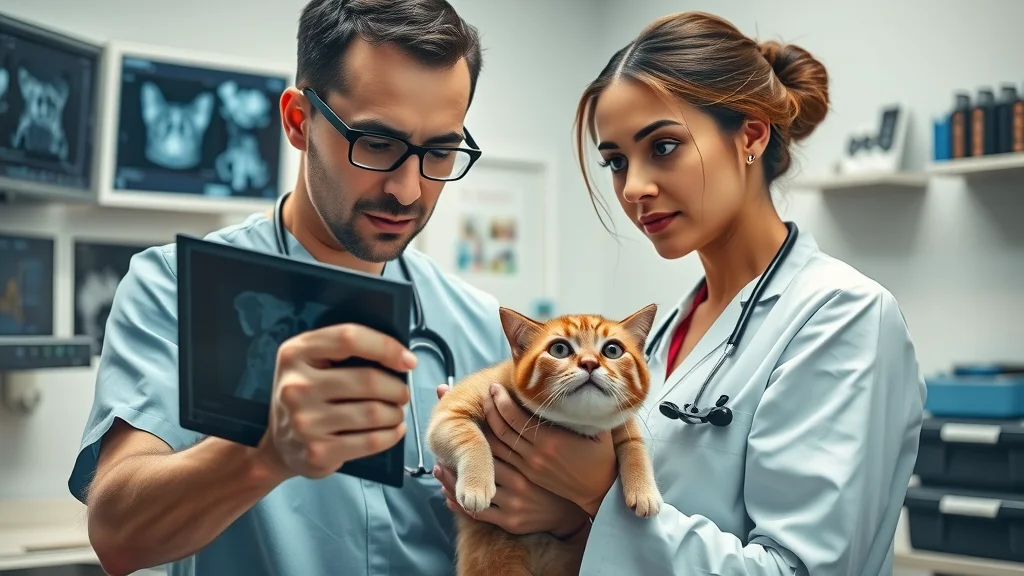
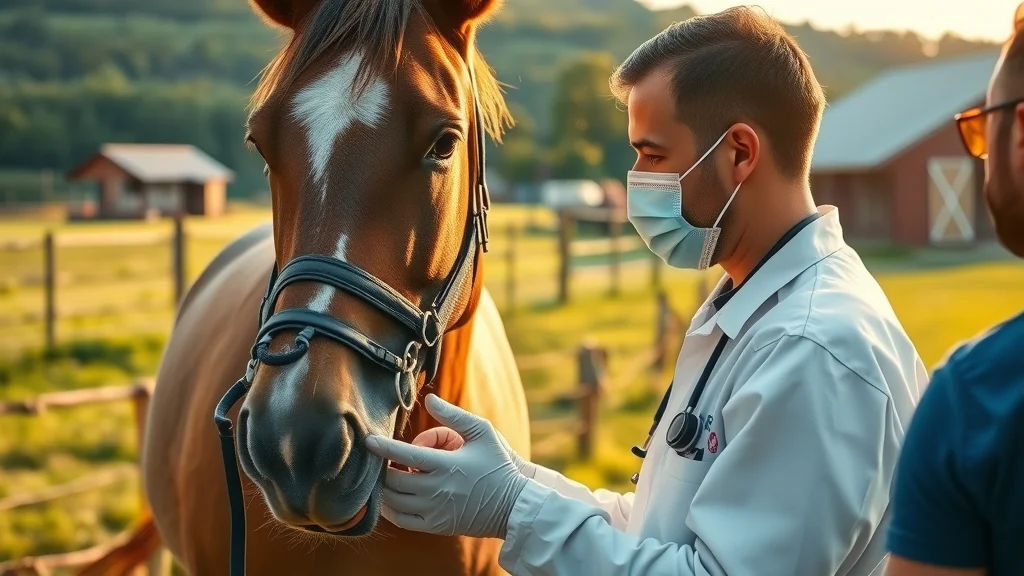
The world of veterinary medicine is broad and diverse, with various professionals focusing on very different species and settings. Small animal veterinarians are the most familiar, caring for pets like dogs, cats, and smaller mammals. On the other hand, large animal veterinarians serve farms, ranches, and agricultural systems by managing the health of cattle, horses, sheep, and more—often traveling long distances to deliver essential care. Exotic animal veterinarians tackle the unique needs of birds, reptiles, zoo animals, and even wildlife, facing challenges in diagnostics, handling, and regulations.
Increasingly, animal veterinarians also specialize in fields like internal medicine, surgery, dermatology, or dentistry—similar to human medical specialties. Others pursue careers in public health, governmental work, and research, addressing issues from antimicrobial resistance to global pandemic prevention. This diversity ensures every animal—from house snake to service pony—receives expertly tailored care, and society as a whole benefits from their vigilance at every level of animal-human interaction.
Roles and Expertise: How Animal Veterinarians Serve Unique Populations
Each animal veterinarian adapts to the unique needs of their patients and working environments. While a small animal veterinarian may focus on vaccinations or dental work for pets in suburban clinics, a large animal or farm veterinarian spends days on rural properties treating livestock, performing herd health checks, or managing reproductive programs. Meanwhile, zoo veterinarians handle everything from dietary plans for elephants to specialized surgery for rare birds. These distinctions require diverse specialties and approaches—highlighting the adaptability and wide-ranging expertise in veterinary medicine. The end goal is the same: to support animal welfare and public health, regardless of the species or setting.
In addition to treating animals, veterinarians in settings like public health monitor and contain disease outbreaks, contribute to research, and craft policies that affect the health of both animals and people. This close interconnection between veterinary professionals and the communities they serve truly demonstrates the far-reaching impact of their work—meeting the health needs of individual animals while also protecting entire populations.
Veterinary Medicine: Foundations, Training, and Ongoing Education
Education and Training Required to Become a Veterinarian
| Degree Required | Years of Study | Specialization Options |
|---|---|---|
| Doctor of Veterinary Medicine (DVM) | 7-9 | Various (internal medicine, surgery, public health, etc.) |
To achieve the title of veterinarian, rigorous years of academic and hands-on training are required. After earning a bachelor's degree—often in biology or animal science—students must complete advanced coursework at an accredited veterinary college or veterinary school. This demanding journey typically lasts seven to nine years, culminating in the Doctor of Veterinary Medicine (DVM) degree. Here, future veterinarians master a spectrum of animal illnesses, surgeries, and diagnostics, developing expertise that rivals their human medical counterparts.
Yet, education doesn't stop with graduation. Many veterinarians undertake internships and fellowships in specialties such as internal medicine, surgery, or public health. Ongoing professional development is a cornerstone, ensuring veterinarians remain capable of addressing constantly evolving threats—like emerging diseases, advances in veterinary medicine, or new food safety concerns. The discipline’s high standards protect not only our pets, but also our communities and national food supply.
Veterinarians as Doctors: Addressing the Terminology
There’s often confusion: is a veterinarian truly a “doctor”? The answer is an unequivocal yes
Much like a primary care physician or a surgeon, veterinarians are trained to interpret lab results, develop complex treatment plans, and remain current with the latest research from organizations like the American Veterinary Medical Association and other regulatory bodies. Their training is recognized in medical, legal, and public realms, reinforcing their crucial place in society as medical professionals dedicated to animal and human health.

Beyond Pets: Veterinarians’ Vital Role in Public Health and Food Safety
Veterinarians and Public Health
Veterinarians are key protectors of public health: they prevent infectious disease outbreaks, monitor for zoonotic threats, and contribute to wide-ranging safety efforts. By studying animal populations, tracking notifiable diseases, and participating in research, veterinarians play an active role in eliminating risks not only for pets but also for local, national, and global human populations. For example, veterinarians are vital in rabies vaccination campaigns, avian influenza surveillance, and emerging zoonoses control—helping halt diseases before they spread to people.
Veterinarians are also instrumental in veterinary public health policy. They collaborate with agencies such as the Centers for Disease Control and Prevention (CDC) and the U.S. Department of Agriculture (USDA), providing critical data and expertise that shape health policy and response strategies. In an increasingly interconnected world, veterinarians are on the front lines against global health threats—protecting both animals and people through vigilance, expertise, and rapid response.
Food Safety and Inspection: Keeping Our Food Supply Safe
- Inspection of meat, dairy, and processed foods
- Monitoring zoonotic diseases
- Regulatory roles in food safety and inspection
Veterinarians are pivotal in the food chain, inspecting food-producing animals and the facilities where meat, dairy, and processed foods are prepared. Their expertise ensures food safety through rigorous assessments for disease, proper medication usage, and safe animal husbandry practices. Food safety and inspection programs rely on veterinarians to detect contaminants that could cause foodborne illness in humans and to keep our food safe from farm to table.
Through their regulatory positions, veterinarians guide large-scale food producers and processors, monitor for zoonotic diseases (those that can jump from animals to people), and enforce laws that demand only food-safe products reach the market. In these often-unseen roles, veterinarians protect not only the animal welfare of livestock but also the broader health of human populations—ensuring safe, affordable nourishment in every grocery aisle across the United States.
Animal Welfare: Advocating for All Creatures Great and Small
Animal Welfare and the Humane Mandate of Veterinarians
Underlying every facet of a veterinarian’s work lies a deep commitment to animal welfare. These professionals are on the front lines of advocacy, championing the well-being of pets, livestock, wildlife, and animals in research or entertainment. From preventing neglect and abuse to guiding end-of-life decisions, veterinarians’ daily decisions are shaped by ethical frameworks, state and federal laws, and the ongoing mission to improve the lives of animals everywhere. Organizations like the American Veterinary Medical Association and regulatory agencies ensure these ethical mandates are grounded in science and compassion.
Veterinarians also play leading roles in animal shelters and rescue initiatives, caring for homeless or abused animals and guiding them toward healthier, happier futures. They educate the public on responsible pet ownership and advocate for humane legislation to end cruelty. In essence, veterinarians are both healers and guardians, ensuring every creature—great or small—receives the respect and care it deserves.

The Human-Animal Bond: How Veterinarians Bring Animals and People Closer
Strengthening the Human-Animal Connection
- Veterinarians’ roles in therapy animal programs
- Promoting mental health and wellbeing among pet owners
The bond between animals and people is a cornerstone of individual and societal wellbeing. Veterinarians actively strengthen this connection by supporting therapy animal programs, enabling animals to provide physical, emotional, and psychological support to individuals in need. Their guidance ensures animals are safe, healthy, and properly trained for such pivotal roles. The presence of therapy animals in hospitals, nursing homes, and schools is proven to reduce stress, promote healing, and foster positive community interactions.
Beyond therapy, veterinarians also play a role in the mental health of pet owners, smoothly guiding them through challenging diagnoses, preventative care, and even the grief of pet loss. They advocate for the value of the human-animal bond in society, understanding that a healthy pet often means a healthier, happier household. Their dedication extends to counseling, client education, and offering resources that celebrate and nurture this extraordinary relationship between humans and their beloved animal companions.
“Veterinarians are dedicated not only to animals, but to strengthening the fabric that binds people and their pets.”

Economics of Veterinary Care: Cost, Access, and Value
What Is the Average Cost to See a Veterinarian?
The cost of veterinary care can vary widely across the United States, shaped by factors such as clinic location, the type of visit, emergency status, and the services required. On average, a routine veterinary visit costs between $50 and $250, with specialized procedures or emergency care incurring higher fees. Additional factors influencing veterinary costs include advanced diagnostics, surgery, medications, and follow-up care. Urban locations or clinics with state-of-the-art equipment may charge more, while some community clinics, shelters, or non-profits offer reduced rates.
Pet owners seeking affordable care can look into wellness plans, pet insurance, or local animal welfare programs. Many veterinarians also promote preventative care—such as vaccinations and annual exams—to help pet owners avoid costlier interventions down the road. Ultimately, investing in preventive veterinary medicine protects both the animal’s wellbeing and the owner’s finances in the long run.

Top Earning Potential: Who Is the Highest Paid Veterinarian?
Just like in human medicine, earning potential among veterinarians depends largely on specialty, experience, and work setting. The highest paid veterinary professionals often hold advanced specialization or administrative roles. For example, a veterinary surgeon or veterinary ophthalmologist may earn significantly more than a general practitioner. Corporate, academic, or public health positions—such as leadership in food safety or regulatory agencies—also offer competitive salaries. This diversity in earning potential ensures veterinary professionals have career trajectories to suit their skills, passions, and financial goals.
| Specialty | Median Annual Salary |
|---|---|
| Veterinary Ophthalmologist | $190,000 |
| Veterinary Surgeon | $169,000 |
| Corporate Public Health | $154,000 |
As new diseases and technologies emerge, the scope—and salary range—of veterinary specialties will continue to grow, attracting professionals who wish to push the boundaries of animal and human health.
People Also Ask: Veterinary Questions Answered
What exactly do veterinarians do?
Veterinarians diagnose, treat, and prevent diseases in animals, provide wellness care, conduct surgeries, and play roles in public health and food safety. Their work extends into research and inspection, ensuring the wellbeing of both animals and people by keeping communities and food supplies safe.

What is the average cost to see a veterinarian?
The average routine visit to a veterinarian typically ranges from $50 to $250, although costs can rise for emergencies or specialist care. Factors influencing fees include location, clinic facilities, and services rendered, while pet insurance or wellness plans may help manage expenses.
Who is the highest paid veterinarian?
Specialists—like veterinary surgeons and ophthalmologists—or those in corporate public health sectors, are generally the highest paid veterinarians. Their advanced skills, training, and leadership roles often command higher salaries than general practitioners.
Is a veterinarian called a doctor?
Yes, veterinarians hold the Doctor of Veterinary Medicine (DVM) degree and are professionally entitled to be called “doctor.” Their extensive medical training and expertise underscore their critical role in both animal and public health.
Frequently Asked Questions about Veterinarians
- How does one become a veterinarian?
- What are the most in-demand veterinary specialties?
- How do veterinarians contribute to society beyond pet care?
- What challenges do veterinarians face today?
Key Takeaways on the Impact of Veterinarians
- Veterinarians serve as crucial guardians of animal and human health
- Veterinary medicine extends beyond clinical pet care to public health and food safety
- Diverse career opportunities exist within the veterinary profession
Empower Your Pet’s Lifeline—Connect With Qualified Veterinarians Today
Prioritize your pet’s health and your own wellbeing—schedule a wellness visit with a trusted veterinarian and discover their vital role in your pet’s happiest, healthiest future.


Write A Comment