 Add Row
  Add
Add 


Did you know that veterinarians protect not only your pet’s health—but also safeguard global food supplies and are often on the front lines of emerging disease outbreaks? The world of veterinarians is far more complex and crucial than most people realize
Unveiling the Hidden World of Veterinarians: Startling Facts Revealed
Most people think of veterinarians as pet doctors, but their expertise extends far beyond checkups and vaccinations. The field of veterinary medicine has seen massive advancements, bringing together science, compassion, and technology to tackle complex challenges that affect the health of animals and people. Veterinarians are leaders in food safety and are essential to public health strategies, contributing to the prevention of zoonotic diseases—those that jump from animals to humans.
Veterinarians work in clinical practice, research, agriculture, and government—often out of the public eye. Their rigorous training means they understand not just biology, but also chemistry, epidemiology, and even engineering solutions that benefit both animals and humans. Modern animal veterinarians are at the forefront of innovation, developing new techniques and medicines to improve survival rates and quality of life for animals everywhere. Their work in research labs, wildlife reserves, and food safety inspection agencies is quietly transforming health outcomes across the globe.
Their efforts matter now more than ever. Whether protecting herds from contagious disease outbreaks, advancing food safety measures, or developing rapid diagnostic tools, veterinarians have become silent defenders in our daily lives. The impact veterinarians play on the health of animals directly shapes human health, food access, and even economic stability. As you’re about to learn, choosing a leading veterinary service could make all the difference not just for your pet—but for everyone.
- What You'll Learn About Veterinarians:
- The multifaceted roles and expertise of veterinarians
- How advancements in veterinary medicine are changing outcomes for animals and people
- Why the health of animals impacts global public health, food safety, and more
- What differentiates leading animal veterinarians today
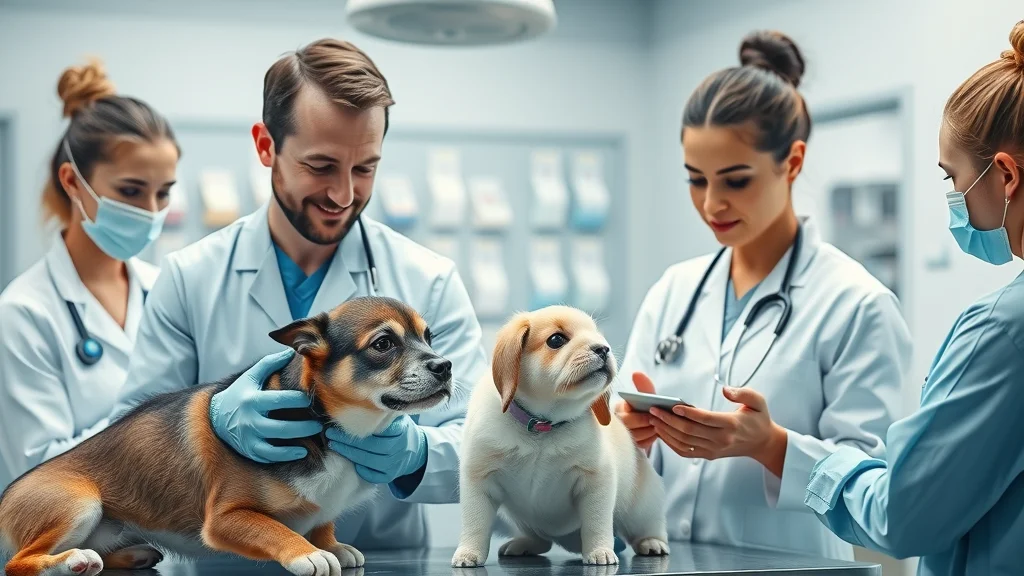
Veterinarians: Pioneering Advancements in Veterinary Medicine
The field of veterinary medicine is evolving rapidly thanks to breakthroughs in technology and scientific understanding. Veterinarians are adopting digital diagnostics, minimally invasive surgeries, and data-driven treatment plans, making animal care safer and more effective than ever. These innovations not only improve outcomes for pets and livestock but reinforce food safety and public health systems worldwide.
By partnering with other scientists, veterinarians bring new insight into complex issues—such as antibiotic resistance, zoonotic disease threats, and environmental health. Research veterinarians help create vaccines that stop pandemics before they start, and animal veterinarians design protocols that keep our food supply safe for consumption. Each step forward in veterinary science reverberates throughout society, showing just how indispensable veterinary professionals have become.
Breaking Down the Myths: What Most People Get Wrong About Veterinarians
Many believe veterinarians solely treat dogs and cats, but their work covers a vast spectrum: from wildlife to farm animals to laboratory research. Veterinarians study at specialized veterinary colleges and undergo rigorous training rivaling that of medical doctors, mastering subjects that blend animal health with public health and food safety. A common misconception is that veterinary medicine is less scientifically advanced, but modern diagnostic imaging, robotic surgery, and genomic research are as prevalent among animal veterinarians as in human health care.
Additionally, some underestimate how integral veterinarians are to the well-being of entire communities. They're not just fixing pets—they're preventing animal diseases that could disrupt food systems or endanger human populations. Veterinarians work on policy creation with government agencies, ensuring that safety and inspection protocols keep both animals and people healthy. They also educate the public, shaping responsible pet ownership, and influencing effective resource management in animal shelters and farms alike.
The Expanding Scope of Veterinary Medicine and Its Impact on Public Health
The reach of veterinary medicine now goes far beyond the clinic. With the interconnection of animal and human health—known as One Health—veterinarians are crucial to monitoring and managing emerging diseases, antimicrobial resistance, and foodborne illnesses. Their collaboration with epidemiologists and policy makers helps guard against threats that could otherwise devastate global health resources.
Through veterinary involvement, outbreaks of zoonotic diseases—like avian flu, rabies, or COVID-19—can be traced, contained, and, in many cases, prevented. Veterinarians employed in governmental and non-governmental organizations develop early warning systems, direct vaccination programs, and monitor food supply chains. Their expertise ensures food safety and reduces risks of contamination, supporting public health initiatives that protect millions worldwide.

Veterinarians and Food Safety: Safeguarding Health for Animals and People
Food safety is one of the most fundamental contributions veterinarians make in society. By monitoring animal health, veterinarians play a pivotal role in minimizing the risk of diseases reaching the human food chain. Their work impacts every stage—from farm production to grocery store shelves. With strict protocols for food safety and inspection, vet professionals help prevent outbreaks of illnesses like E. coli, salmonella, and mad cow disease, all of which pose significant threats to human health.
In the United States and globally, veterinary regulatory officials certify meat, dairy, and egg products to meet safety standards, enforcing biosecurity and sanitation.—Their vigilance keeps consumers safe, reassures global trade partners, and ensures animal welfare standards are met. When veterinarians uphold stringent food safety guidelines, they not only preserve the health of animals but also protect consumers from serious health risks.
How Research Veterinarians Shape the Future of Animal and Human Health
Behind every major breakthrough in medicine—including vaccines, therapies, and disease diagnostics—are research veterinarians working tirelessly in laboratories and field settings. Their studies on animal models drive innovations in human health, while discoveries in disease transmission reveal new ways to stop outbreaks in their tracks. From genetic mapping to drug development, research veterinarians collaborate with medical doctors and scientists to translate findings from animals to humans.
These partnerships create a continuous exchange of data, expertise, and cutting-edge technology. As a result, advancements in animal treatment frequently lead to new possibilities for treating human illnesses as well. Whether improving cancer therapies, understanding antibiotic resistance, or developing nutritional guidelines, research veterinarians are indispensable bridges between animal and human health sciences.
Essential Roles of Veterinarians in Protecting the Health of Animals
The health of animals is not just a pet owner’s concern—it's a vital part of our social and economic well-being. Veterinary service providers handle emergency interventions, compassionate care, preventive medicine, and education for animal owners. They bring specialized expertise to small animal practices, wildlife agencies, and livestock farms alike, making sure every animal gets the care it needs for optimal health and welfare.
From routine vaccinations and surgery for household pets to rehabilitating endangered wildlife and managing herd health on farms, veterinarians operate in diverse environments. Their knowledge extends to nutrition, behavioral science, and diagnostic imaging—allowing them to detect underlying diseases before they threaten larger populations. By investing in top-tier veterinary care, both animal and human communities enjoy measurable benefits in well-being, disease prevention, and overall quality of life.
Companion Animal Veterinarians: Beyond Routine Checkups
It’s easy to associate veterinarians with checkups and vaccinations for cats and dogs, but today’s companion animal veterinarians offer much more. They perform advanced diagnostic procedures, complex surgeries, dental care, and even physical therapy on pets. As the bond between animals and people grows, veterinarians increasingly provide advice on behavior, nutrition, and chronic disease management—ensuring pets receive individualized and holistic care through every life stage.
These veterinarians become trusted partners to families, guiding them through difficult decisions and supporting animal welfare even outside the exam room. Offering end-of-life care and pain management, they help pet owners make compassionate choices. Modern clinics are equipped with cutting-edge medical tools, and veterinary professionals collaborate with specialty centers for referrals. Ultimately, companion animal veterinarians share a commitment to enhancing both the lives of pets and their human guardians.

Animal Veterinarians in Exotic and Wildlife Care
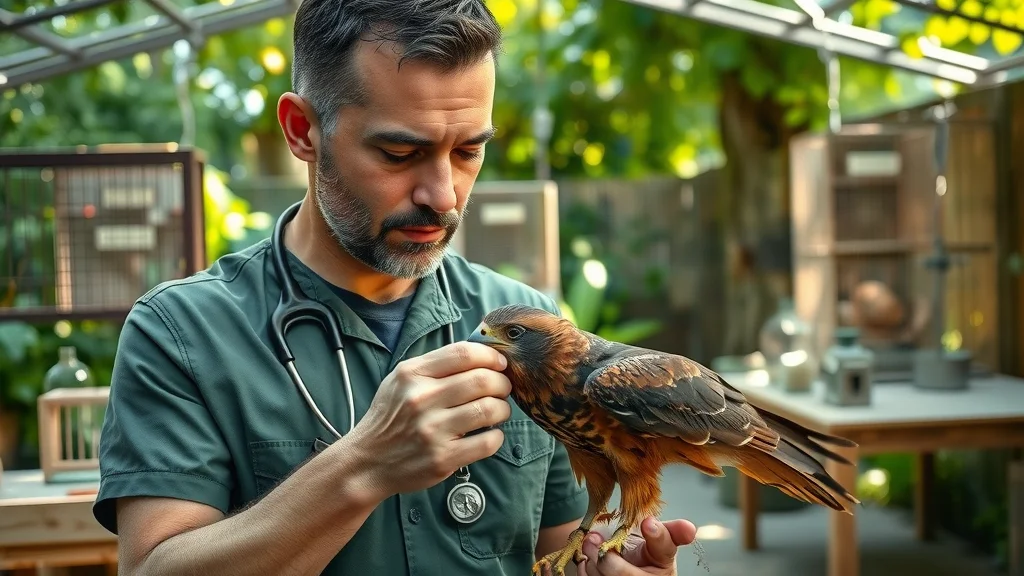
Working with exotic species and wildlife presents unique challenges—requiring deep knowledge and specialized skills. Animal veterinarians on wildlife teams care for endangered species, rescue injured animals, and help rehabilitate creatures for release back into their habitats. They monitor disease outbreaks, conduct population health assessments, and collaborate with conservation organizations to protect the delicate balance of nature.
From tiny reptiles to large mammals and birds of prey, wildlife veterinarians adapt their methods to accommodate the vast diversity of animals they encounter. Their presence at animal sanctuaries, zoos, and rescue centers is vital for preserving biodiversity, addressing ecosystem changes, and ensuring safe human-wildlife interactions. These specialists often work in field environments—responding to emergencies that can affect the overall health of animals and humans alike.
Animal Veterinarian Teams in Emergency and Critical Care
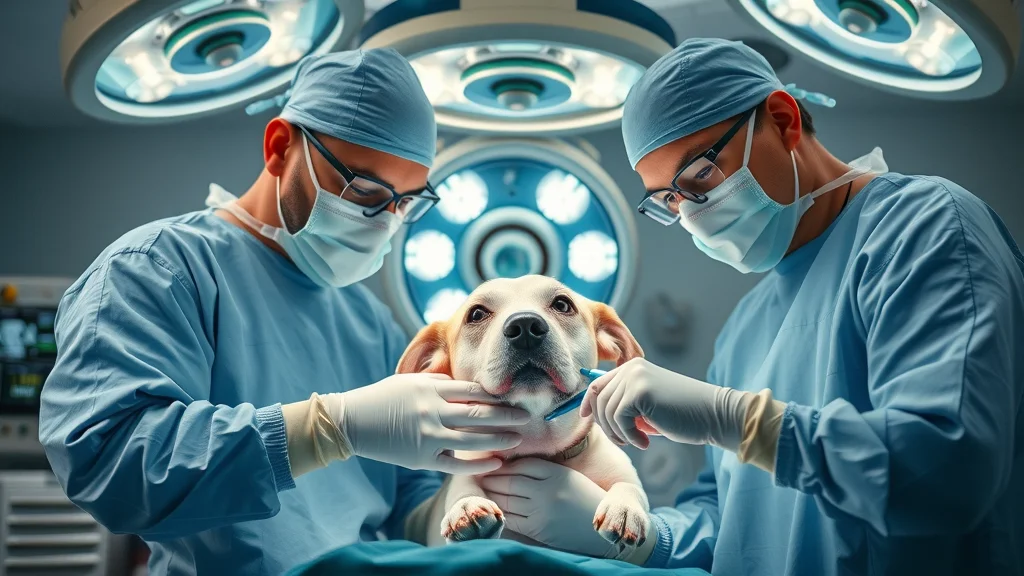
Every minute counts in emergency veterinary medicine. Animal veterinarian teams in emergency clinics and specialty hospitals are trained for rapid assessments, trauma care, and life-saving surgeries. They manage poisoning, severe wounds, cardiac arrests, and critical illnesses that require advanced teamwork and constant vigilance. Emergency veterinarians are skilled in using sophisticated monitoring and surgical equipment that rival those found in human hospitals.
Their 24/7 availability ensures that both domestic and exotic animals get immediate, expert care in life-threatening situations. These teams collaborate with other specialists for critical diagnostics, anesthesia, and post-operative recovery, striving to keep the health of animals at the forefront of every decision. That dedication makes all the difference in outcomes—reuniting beloved pets with their families and saving endangered wildlife from the brink.
Public Health Contributions: Veterinarians at the Forefront
Veterinarians hold a key position on the front lines of public health, serving as first responders during animal-based epidemics and leading efforts in disease prevention. Their skills in epidemiology, diagnostics, and field investigation support government agencies, public health organizations, and international surveillance networks in preventing and containing outbreaks. Their understanding of the connection between animal and human health enables them to protect entire populations—both two-legged and four-legged.
Whether through clinical intervention, laboratory analysis, or shaping public health policy, veterinarians actively shield society from zoonotic diseases (those transmitted from animals to humans) and foodborne pathogens. Their comprehensive training makes veterinarians invaluable allies in confronting health challenges that affect us all—proving that every advancement in their field contributes directly to community well-being.
Veterinarians' Role in Epidemic Response and Disease Prevention
Veterinarians’ expertise is essential during outbreaks. They track the origins of diseases, contain their spread, and help avert pandemics. During recent health crises—like avian influenza and COVID-19—veterinarians conducted field investigations, developed response protocols, and helped coordinate the response between animal and human health services. Their work keeps not only animals safe, but also prevents public panic and shields healthcare systems from overload.
Through vaccination campaigns and early detection programs, veterinarians eradicate or drastically reduce the risks associated with rabies, brucellosis, and other zoonotic threats. These proactive strategies limit the spread of dangerous pathogens while strengthening the global capacity to address future health emergencies. By working at the intersection of animal care and public policy, veterinarians create a safer world for everyone.
Veterinary Medicine and Global Food Safety and Inspection
Around the world, veterinarians enforce food safety and inspection standards that protect the health of animals and people. Their oversight begins long before food reaches the table—starting at farms and facilities where animals are raised. Through routine inspections, laboratory testing, and enforcing biosecurity procedures, veterinarians eliminate contaminated products, monitor for the presence of dangerous pathogens, and uphold strict safety protocols.
Compliance with these regulations ensures high-quality products and consumer confidence. Veterinary inspectors partner with agricultural experts, food processors, and government agencies to develop new methods for tracking, preventing, and responding to issues like antibiotic residues and nutritional deficiencies. As the demand for safe, ethically produced food grows, veterinarians continue to set new standards and help protect the integrity of the global food supply.
How Animal Veterinarians Ensure Public Health and Consumer Safety
Animal veterinarians stationed within government, industry, and public institutions monitor animal populations and enforce safety standards that impact millions. By developing surveillance programs for animal diseases at the farm and processing levels, they ensure safe supply chains and prevent the entry of hazardous products into the food system.
Their role expands to consumer education, where veterinarians advise the public on food handling, pet vaccinations, and zoonotic risk reduction. By controlling health threats at the source, veterinarians not only keep the health of animals intact, but also ensure that products entering the market meet or exceed regulatory expectations. Their vigilance is a vital layer of defense for families and communities.
Veterinary Advocacy: Promoting the Bond Between Animals and People
Veterinarians aren’t just scientists and inspectors—they’re also advocates for the powerful connection between animals and people. Through community outreach, pet therapy recommendations, and education initiatives, veterinarians foster stronger relationships and empathy between humans and animals. Their advocacy leads to healthier pets, happier families, and a society that values and protects animal welfare.
Outreach from veterinarians helps reduce the number of animals surrendered to shelters, encourages responsible pet care, and promotes preventive health for both domestic and working animals. These efforts support communities facing unique challenges, such as urbanization, habitat loss, or animal population control—further reinforcing veterinarians’ place at the heart of holistic public health and animal welfare strategies.
Advancements in Veterinary Care Shaping Tomorrow’s Medicine
Veterinary medicine is undergoing a revolution. Telemedicine platforms, wearable health monitors, and advanced imaging are now commonplace in veterinary practice, offering more precise and convenient care. Genetics and personalized medicine bring new hope for the treatment of chronic diseases, while targeted therapies reduce recovery times and healthcare costs.
By adopting breakthroughs first seen in human healthcare, veterinarians offer earlier detection, less invasive procedures, and faster rehabilitation for all kinds of animals. Their continual pursuit of the latest technology places them at the cutting edge—ensuring that animal and human health will always benefit from innovation.
Technological Innovations in Veterinary Medicine
Today’s veterinarians leverage digital health records, 3D-printed prosthetics, minimally invasive surgical tools, and real-time diagnostic analytics. These technological leaps make it possible to diagnose conditions sooner and treat them with unprecedented accuracy. From teleconsultations that break down geographic barriers to the integration of AI into imaging and pathology, veterinarians are redefining what’s possible for animal health.
The impact goes beyond pets and livestock—improved vaccination tracking, remote monitoring of wildlife, and precision farming all stem from advances led by veterinary scientists. With technology continually reshaping the field, top veterinary practices now combine compassion with cutting-edge science, delivering better outcomes for animals and reinforcing the vital connection between animals and people.

Telemedicine and Digital Outreach for Veterinarians
Telemedicine is transforming veterinary care. No longer confined to physical offices, veterinarians now consult with clients online, review medical records, and provide care advice remotely. Telemedicine improves access to care for rural and underserved communities, shortens wait times, and helps veterinarians manage follow-ups more efficiently.
Through secure video calls, pet owners can address immediate concerns, send images and videos to their veterinary team, and receive expert guidance from the comfort of their own home. Digital outreach also enhances client education—empowering families to spot warning signs early and make informed decisions about their animals’ health. This digital shift is ensuring that high-quality veterinary care is more accessible and responsive than ever before.
Personalized Medicine and Genomic Research for the Health of Animals
Genomic research and personalized medicine are at the forefront of veterinary innovation. By analyzing an animal’s unique genetic makeup, veterinarians can develop custom treatment plans that address hereditary diseases and predict health risks, improving long-term outcomes. This approach leads to more effective therapies with fewer side effects, and builds a foundation for preventive care strategies.
Advancements in animal genetics also aid in breeding healthier pets, identifying new therapies for rare conditions, and increasing resilience in livestock populations. These breakthroughs, led by veterinary specialists and supported by global research collaborations, move the field of veterinary medicine into a new era—where animal and human health are more closely linked than ever.
Inside Look: Day-to-Day Life and Career Paths of Veterinarians
The world of veterinarians is rich and varied, encompassing roles from general practitioners caring for household pets to specialists working in high-security laboratories. Veterinarians may focus on companion animals, farm animals, research, wildlife, public health, or food safety and inspection. Each path offers unique challenges and rewards, shaped by personal passion, regional needs, and rapid technological advancements.
A typical day might see a veterinarian performing surgery, advising on herd management, responding to an animal welfare emergency, or reviewing data from field research. Compensation varies widely based on specialization, location, and workplace. The profession is increasingly collaborative, with veterinarians working alongside human doctors, agricultural scientists, and government officials to solve the world's most pressing health challenges.
Who Are the Highest Paid Veterinarians?
Specialists in the field of veterinary medicine command the highest salaries, with board-certified surgeons, dermatologists, anesthesiologists, and research veterinarians among the top earners. Those working in academia, industry, and government roles—such as public health and pharmaceutical development—also achieve lucrative compensation due to their advanced expertise and influence. Geographic location, the size and prestige of the hospital or research facility, and years of experience all influence earning potential. Additionally, veterinarians in leadership or executive management roles within veterinary college, regulatory agencies, or large corporate practices may see significantly higher compensation compared to their peers in private practice.
These well-compensated specialists don't just treat individual animals—they influence how veterinary care is delivered industry-wide, shape policy, and drive research that impacts animal and human health globally. If you want to set your sights on a high-income veterinary specialty, invest in advanced education, board certifications, and leadership training to stand out in this competitive and rewarding field.
What Are the 11 Types of Vets?
- Companion Animal Vet
- Exotic Animal Vet
- Wildlife Vet
- Large Animal/Farm Animal Vet
- Laboratory Animal Vet
- Veterinary Surgeon
- Veterinary Dermatologist
- Veterinary Pathologist
- Veterinary Radiologist
- Public Health Vet
- Research Veterinarian
Each type of animal veterinarian requires unique training and plays a different role in the broader scope of animal and human health, ensuring the entire ecosystem of veterinary medicine remains diverse and robust.
Veterinarian Hourly Rates: What Influences Compensation?
The hourly rate for a veterinarian depends on factors like location, specialization, experience, practice type, and additional certifications. Urban areas or emergency/specialty practices generally offer higher hourly wages compared to rural general practices. Board-certified surgeons, anesthesiologists, and specialists in veterinary medical fields often command higher rates due to their expertise. Additionally, veterinarians who own their practice or work in high-demand locations may negotiate premium compensation, reflecting their skills and the value they provide to pet owners and the community.
Across the United States, veterinary practitioners report hourly rates ranging from $40 to $120+ per hour, with specialists and those in metropolitan regions earning top rates. For veterinary students and new graduates, rates typically start lower but can rise significantly with experience and further education.
How Much Should a Vet Cost?
Veterinary costs can vary widely based on service type, animal species, and geographic region. Routine checkups and vaccinations are usually affordable, while surgeries or emergency care command higher fees due to the equipment, skill, and time involved. Most pet owners should expect to pay $50–$150 for routine visits, while advanced procedures and diagnostics can run into the hundreds or thousands. Quality veterinary care reflects the investment in training, technology, and resources required to deliver exceptional health outcomes for animals.
While it may seem costly, choosing the best care providers—those who invest in continual learning and state-of-the-art technology—guarantees your pet's or herd's health and well-being remains in expert hands.
A Day in the Life: Modern Veterinarians Making a Difference
Comparing Career Specializations in Veterinary Medicine
| Veterinary Role | Main Responsibilities | Average Salary Range | Work Environment |
|---|---|---|---|
| Companion Animal Vet | Routine care for pets; surgery, vaccination, diagnostics | $75,000–$125,000 | Private practice, clinics |
| Wildlife Vet | Rehabilitation, health assessments, conservation | $50,000–$110,000 | Wildlife centers, fieldwork |
| Research Veterinarian | Laboratory research; develop new treatments/vaccines | $90,000–$160,000 | Labs, research institutions |
| Public Health Vet | Disease surveillance, food safety and inspection | $85,000–$140,000 | Government, agencies |
| Veterinary Surgeon | Advanced surgical procedures, consults | $120,000–$250,000 | Specialty hospitals |
"Veterinary medicine is not just about treating animals—it’s about advancing health for all." — Dr. Emily Sanders, Veterinary Specialist
FAQs: What People Ask About Veterinarians and Their Work
-
What is the highest paid vet?
The highest paid veterinarians are usually board-certified specialists (surgeons, anesthesiologists, pathologists), research veterinarians, and those in executive roles within industry or public health. Their salaries can exceed $250,000+ based on experience and location. -
What are the 11 types of vets?
The 11 types include companion animal, exotic animal, wildlife, large/farm animal, laboratory animal, surgeon, dermatologist, pathologist, radiologist, public health, and research veterinarians. -
What is the hourly rate for a vet?
Hourly rates vary but typically range from $40 to $120+, depending on experience, specialization, and location. -
How much should a vet cost?
Routine visits cost $50–$150, while advanced surgeries or critical care services may run several hundred to thousands of dollars, reflecting the quality, specialization, and resources required for excellent animal care.
Key Takeaways: Why Veterinarians Matter More Than Ever
Veterinarians are champions of both animal and human health, driving innovation in medicine, public health, food safety, and advocacy. Their multi-faceted work shapes lives, improves wellbeing, and protects global communities—now and into the future.
Ready to Experience Advanced Veterinary Care? Book a Consultation with Our Expert Veterinarians Today!
Take the next step for your pet’s or herd’s health—partner with veterinarians who deliver state-of-the-art care. Book a consultation now and discover how advanced veterinary medicine can keep your animals, family, and community safer and healthier than ever before.


Write A Comment